

 PDF
 Views
 Share


Financial Toxicity and Healthcare Inequities among Oncology Patients in Low- and Middle-Income Countries: A Systematic Review
CC BY 4.0 · Indian J Med Paediatr Oncol 2026; 47(05): 352-366
DOI: DOI: 10.1055/s-0046-1827818
Abstract
Financial toxicity represents a major driver of healthcare inequities among oncology patients in low- and middle-income countries (LMICs). This systematic review found that high out-of-pocket healthcare expenditure frequently resulted in catastrophic financial burden, with prevalence estimates ranging from 48.0 to 96.9%, particularly in South Asia and Sub-Saharan Africa. Low household income, inadequate insurance coverage, rural residence, and reliance on private-sector healthcare were consistently associated with greater financial hardship. Beyond economic consequences, financial toxicity was strongly linked to treatment interruption, delayed healthcare utilization, psychological distress, food insecurity, reduced quality of life, and poorer clinical outcomes. Although public insurance schemes provided partial financial protection in certain settings, substantial out-of-pocket expenditure persisted across most healthcare systems. Overall, these findings underscore the urgent need for equitable health financing reforms, strengthened social protection mechanisms, and universal health coverage strategies to reduce financial toxicity and improve cancer care access in LMICs.
Keywords
financial toxicity - cancer - oncology - catastrophic health expenditure - universal health coveragePatient Consent
Patient consent was not required for this article, as it is a systematic review and did not involve the recruitment of patients or the collection, analysis, or reporting of individual patient–level data.
Ethical Approval
This systematic review was conducted using previously published studies and publicly available data. Ethical approval and informed consent were therefore not required. No animal or human participants were directly involved in this study.
* These authors contributed equally to this article.
Supplementary Material
>Supplementary Material (PDF)Publication History
Article published online:
10 September 2026
© 2026. The Author(s). This is an open access article published by Thieme under the terms of the Creative Commons Attribution License, permitting unrestricted use, distribution, and reproduction so long as the original work is properly cited. (https://creativecommons.org/licenses/by/4.0/)
Thieme Medical and Scientific Publishers Private Limited
A-13A, Graphix Tower 1, 6th floor, Sector 62, Noida 201309, Uttar Pradesh, India
Abstract
Financial toxicity represents a major driver of healthcare inequities among oncology patients in low- and middle-income countries (LMICs). This systematic review found that high out-of-pocket healthcare expenditure frequently resulted in catastrophic financial burden, with prevalence estimates ranging from 48.0 to 96.9%, particularly in South Asia and Sub-Saharan Africa. Low household income, inadequate insurance coverage, rural residence, and reliance on private-sector healthcare were consistently associated with greater financial hardship. Beyond economic consequences, financial toxicity was strongly linked to treatment interruption, delayed healthcare utilization, psychological distress, food insecurity, reduced quality of life, and poorer clinical outcomes. Although public insurance schemes provided partial financial protection in certain settings, substantial out-of-pocket expenditure persisted across most healthcare systems. Overall, these findings underscore the urgent need for equitable health financing reforms, strengthened social protection mechanisms, and universal health coverage strategies to reduce financial toxicity and improve cancer care access in LMICs.
Keywords
financial toxicity - cancer - oncology - catastrophic health expenditure - universal health coverage
Introduction
Cancer represents one of the most formidable public health challenges of the 21st century, with the global burden increasingly concentrated in resource-limited settings. The World Health Organization (WHO) estimates that approximately 70% of cancer-related deaths occur in low- and middle-income countries (LMICs), where healthcare systems are often ill-equipped to manage the dual demands of rising incidence and escalating treatment costs.[1] Beyond the biological and clinical dimensions of malignancy, cancer imposes profound economic hardships on patients and their households, a phenomenon increasingly recognized as “financial toxicity.”[2] Financial toxicity encompasses both the objective financial burden of direct medical costs, indirect expenses, and income loss, as well as the subjective financial distress characterized by material hardship, psychological stress, and behavioral adaptations such as treatment nonadherence.[3] In LMICs, where out-of-pocket (OOP) payments frequently constitute the dominant mode of healthcare financing and social safety nets remain underdeveloped, the financial consequences of cancer diagnosis and treatment can be catastrophic.[4] The WHO defines catastrophic health expenditure (CHE) as OOP payments exceeding 40%. of household capacity to pay (nonfood expenditure) or 10%. of total household income.[5] Additionally, households frequently resort to coping strategies such as borrowing, selling assets, or reducing essential consumption, thereby perpetuating cycles of poverty and social vulnerability.[4]
Financial toxicity and healthcare inequities interact synergistically in LMIC oncology, creating a complex interaction between socioeconomic vulnerability and healthcare inequities. Patients from lower socioeconomic strata face compounded vulnerabilities, including delayed diagnosis due to cost barriers, limited access to multimodal therapy, higher rates of treatment abandonment, and inferior survival outcomes.[6] These disparities are further amplified by structural determinants such as inadequate health insurance coverage, geographic inaccessibility of cancer centers, shortages in oncology infrastructure, and the absence of comprehensive palliative care services.[7] The sustainable development goals (SDGs), particularly SDG 3.8 on universal health coverage (UHC), underscore the global imperative of reducing financial barriers to essential healthcare services, including cancer care.[8]
Although financial toxicity has been extensively studied in high-income countries, evidence from LMICs remains fragmented and comparatively underrepresented. Existing systematic reviews have frequently focused on specific cancer types or selected geographic regions, limiting broader understanding of the burden and determinants of financial toxicity across LMIC settings.[4] [9] Furthermore, heterogeneity in definitions, measurement instruments, and reporting standards has hindered cross-country comparability and policy translation. Commonly used assessment approaches include objective indicators such as CHE and subjective tools such as the Comprehensive Score for Financial Toxicity (COST) instrument.[4] While a prior systematic review and meta-analysis by Donkor et al[4] provided pooled quantitative estimates of financial toxicity among LMIC oncology populations, that analysis was constrained by substantial statistical heterogeneity and did not systematically map cross-regional variation in determinants, appraise the psychometric performance of contemporary financial toxicity instruments, or translate findings into region-specific policy recommendations. Building on this foundation, the present review offers an updated evidence synthesis that explicitly compares the burden, determinants, and health-system responses to financial toxicity across six global regions; critically appraises the instruments used to measure it; and derives actionable, context-specific policy implications. Therefore, this systematic review aims to synthesize existing evidence regarding the following: (1) the prevalence and burden of financial toxicity among cancer patients in LMICs; (2) socioeconomic and healthcare-related determinants; (3) impacts on treatment adherence, quality of life, and mental health outcomes; (4) measurement instruments used to assess financial toxicity; and (5) policy implications for strengthening financial risk protection and advancing equitable cancer care in LMIC healthcare systems.
Methods
Protocol and Registration
This systematic review was conducted in accordance with the Preferred Reporting Items for Systematic Reviews and Meta-Analyses (PRISMA) 2020 guidelines.[10] A review protocol was developed a priori in accordance with PRISMA 2020 guidance; however, the review was not prospectively registered in PROSPERO. This represents an acknowledged limitation of the review (section “Limitations and Future Directions”). To mitigate its impact on transparency and methodological rigor, a full written protocol specifying eligibility criteria, the search strategy, data extraction variables, and the quality-appraisal approach was finalized prior to data extraction, and all methodological decisions were documented and applied consistently by two independent reviewers throughout the review process; the protocol is available from the corresponding author upon reasonable request.
Search Strategy
A comprehensive and systematic literature search was conducted across six electronic databases: PubMed/MEDLINE, Scopus, Embase, Web of Science, PsycINFO, and CINAHL. The search aimed to identify original studies evaluating financial toxicity, CHE, or economic burden among oncology patients in LMICs. The search strategy combined controlled vocabulary terms, including medical subject headings (MeSH), with free-text keywords related to cancer, financial toxicity, and LMIC settings.
The PubMed/MEDLINE search strategy was developed using Boolean operators (“AND,” “OR”), truncation, and field-specific searching, combining terms for financial toxicity/economic burden (e.g., “financial toxicity,” “catastrophic health expenditure,” “out-of-pocket expenditure,” “distress financing”), cancer/oncology (e.g., “Neoplasms”[Mesh], “cancer,” “oncology,” “malignan*”), and LMIC/developing-country settings (e.g., “Developing Countries”[Mesh], “low-income countr*,” “middle-income countr*,” “LMIC,” named regions), restricted to January 1, 2010, to February 21, 2026, and English-language publications. The complete, line-by-line PubMed search syntax is provided in [Supplementary Material Table S1] (available in the online version only) to keep the main text concise, per editorial guidance. The search strategy was adapted appropriately for each database according to its indexing system and search interface requirements. Database-specific subject headings, including Emtree terms for Embase and CINAHL Headings, were incorporated where applicable to maximize sensitivity and retrieval accuracy.
The final search was conducted on February 21, 2026. No restrictions were applied regarding cancer type, treatment modality, or healthcare setting during the initial search stage. Only studies published in English were considered eligible for inclusion.
To ensure comprehensiveness, the reference lists of all included studies and relevant review articles were manually screened to identify additional eligible publications not captured through database searching. Gray literature sources, including OpenGrey and WHO institutional repositories, were searched to minimize publication bias and identify potentially relevant unpublished or nonindexed studies; however, no records were identified through these sources.
All retrieved records were exported into reference management software, and duplicate citations were removed prior to title and abstract screening.
Eligibility Criteria
Studies were eligible for inclusion if they enrolled oncology patients with solid tumors or hematologic malignancies, including cancer survivors, and investigated financial toxicity or related constructs such as financial burden, economic hardship, CHE, POC expenditure, or treatment-related financial distress. Only studies conducted in LMICs, as defined by the World Bank classification, were considered. Eligible study designs included cross-sectional, cohort, case–control, mixed-methods, and qualitative studies published in English between January 2010 and February 2026. Editorials, conference abstracts, letters, commentaries, case reports, reviews, opinion articles, and other publications not reporting primary data were excluded. Non-English publications were also excluded.
Study Selection
Two independent reviewers (reviewer A and reviewer B) screened titles and abstracts, followed by full-text review of potentially eligible studies. Disagreements were resolved through discussion or consultation with a third reviewer (reviewer C). A PRISMA 2020 flow diagram was constructed to document the screening process[10] ([Fig. 1]).

Fig 1:PRISMA 2020 flow diagram of study selection process for included studies on financial toxicity in LMIC oncology populations.
Data Extraction
A standardized and pilot-tested data extraction form was developed to ensure consistency and accuracy in data collection across included studies. Data extraction was independently performed by two reviewers, and discrepancies were resolved through discussion and consensus. Where necessary, a third reviewer was consulted to resolve disagreements.
The following variables were extracted from each eligible study: bibliographic characteristics (first author, publication year, country, and World Bank income classification); study design and methodological characteristics; participant characteristics (sample size, age distribution, sex distribution, cancer type, and disease stage where reported); treatment-related variables; healthcare financing and system characteristics; socioeconomic indicators; financial toxicity assessment methods and instruments, including CHE thresholds, COST, CFPB Financial Well-Being Scale, and other validated or nonvalidated measures; prevalence estimates and determinants of financial toxicity, CHE, impoverishment, and distress financing; psychosocial and quality-of-life outcomes; treatment adherence and healthcare utilization outcomes; and coping mechanisms and policy-related findings.
Quality Appraisal
Methodological quality and risk of bias were independently assessed by two reviewers using Joanna Briggs Institute (JBI) critical appraisal tools appropriate for each study design.[11] Cross-sectional, cohort, and qualitative studies were evaluated using their respective JBI appraisal checklists. In addition, the Quality Assessment Tool for Studies with Diverse Designs (QuADS) was applied to assess methodological rigor across heterogeneous study designs.
Studies were categorized as high quality (≥70%. criteria met), moderate quality (50–69%), or low quality (<50>
Synthesis Methods
A meta-analysis was not performed because of substantial methodological and clinical heterogeneity among the included studies. Heterogeneity arose from variations in CHE thresholds (>10, >20, >25, >30, and >40%), financial toxicity assessment instruments (e.g., COST, CHE-based measures, and the CFPB Financial Well-Being Scale), cancer populations, treatment settings, and outcome definitions. Consequently, a narrative thematic synthesis was considered the most appropriate approach. Findings were synthesized according to the review objectives and organized by geographic region, World Bank income classification, cancer type, and financial toxicity assessment method. Comparative analyses focused on the prevalence, determinants, psychosocial consequences, treatment adherence, and healthcare system factors associated with financial toxicity. Study characteristics are summarized in [Table 1], whereas [Tables 2] and [3] present thematic findings and refer to studies by citation number to avoid repetition.
|
Study |
Region/Country |
Economic setting |
Population and cancer type |
Study design |
|---|---|---|---|---|
|
Kimman et al[12] |
ASEAN countries |
MIC |
9,513 mixed cancer patients |
Prospective multicenter cohort |
|
Khanal et al[13] |
Nepal |
LMIC |
387 mixed cancer cases |
Cross-sectional |
|
Sarker et al[14] |
Bangladesh |
LMIC |
387 oncology patients |
Cross-sectional |
|
Prinja et al[15] |
India |
LMIC |
12,148 patients; mixed cancers |
National cross-sectional survey |
|
Jain and Mukherjee[16] |
India |
LMIC |
221 breast cancer patients |
Cross-sectional hospital study |
|
Mohanty et al[17] |
India |
LMIC |
429 breast cancer patients |
Prospective cohort |
|
Wan Puteh et al[18] |
Malaysia |
UMIC |
630 cancer patients |
Cross-sectional |
|
Azzani et al[19] |
Malaysia |
UMIC |
138 colorectal cancer patients |
Cross-sectional cost study |
|
Fu et al[20] |
China |
UMIC |
2,847 cancer patients |
Cross-sectional |
|
Liu et al[21] |
China |
UMIC |
227 lung cancer patients |
Retrospective cohort |
|
Piroozi et al[22] |
Iran |
UMIC |
189 gastrointestinal cancer patients |
Cross-sectional |
|
Moradi et al[23] |
Iran |
UMIC |
92 breast cancer households |
Cross-sectional |
|
Gany et al[24] |
Egypt |
LMIC |
100 breast cancer patients |
Cross-sectional |
|
Kibret et al[25] |
Ethiopia |
LIC |
458 breast cancer patients |
Cross-sectional |
|
Uwechue et al[26] |
Nigeria |
LIC |
92 colorectal cancer patients |
Retrospective study |
|
Khan et al[27] |
Pakistan |
LMIC |
104 pediatric oncology patients |
Prospective cohort |
|
Sánchez-Román et al[28] |
Mexico |
UMIC |
Older adults with cancer |
Mixed-methods study |
|
Souza et al[29] |
Brazil |
UMIC |
44,924 skin cancer patients |
Economic analysis |
|
Wuraola et al[30] |
Nigeria |
LMIC |
71 breast cancer patients |
Prospective cohort |
|
Tran et al[31] |
Vietnam |
LMIC |
300 oncology patients |
Cross-sectional validation study |
|
Study |
Financial toxicity indicator |
Principal outcome |
|---|---|---|
|
Kimman et al[12] |
OOP >30%. annual income |
48%. financial catastrophe; high mortality association |
|
Khanal et al[13] |
CHE assessment |
96.9%. CHE and 26%. impoverishment |
|
Sarker et al[14] |
OOP expenditure and CHE |
Mean annual OOP cost USD 6,504; CHE prevalence 96.9%. |
|
Prinja et al[15] |
CHE (>40%. capacity-to-pay) |
71.3%. experienced CHE; insurance significantly reduced risk |
|
Jain and Mukherjee[16] |
CHE (>40%. non-food expenditure) |
84%. developed catastrophic expenditure |
|
Mohanty et al[17] |
CHE and distress financing |
84.6%. CHE; distress financing in 90%. |
|
Wan Puteh et al[18] |
CHE (>10%. household expenditure) |
CHE prevalence reached 54.4%. |
|
Azzani et al[19] |
Direct treatment cost analysis |
Advanced-stage disease generated higher costs |
|
Fu et al[20] |
CHE (>40%. capacity-to-pay) |
Lowest-income groups most affected by impoverishment |
|
Liu et al[21] |
Direct medical expenditure |
Mean expenditure exceeded USD 2,500 |
|
Piroozi et al[22] |
CHE evaluation |
61.9%. households affected |
|
Moradi et al[23] |
CHE (>40%. capacity-to-pay) |
60.9%. households experienced CHE |
|
Gany et al[24] |
Food insecurity assessment |
Nearly half experienced food insecurity |
|
Kibret et al[25] |
COST-FACIT instrument |
Severe financial toxicity associated with delayed treatment initiation |
|
Uwechue et al[26] |
Financial catastrophe analysis |
Universal risk of financial catastrophe identified |
|
Khan et al[27] |
Treatment abandonment analysis |
Financial causes accounted for most abandonment cases |
|
Sánchez-Román et al[28] |
COST and CFPB scales |
Moderate-to-severe financial toxicity observed |
|
Souza et al[29] |
Cost analysis |
Melanoma treatment costs substantially exceeded NMSC |
|
Wuraola et al[30] |
CHE and OOP expenditure |
Over 70%. experienced CHE; 66%. lacked health insurance |
|
Tran et al[31] |
COST questionnaire |
Rural residence and unemployment predicted higher financial toxicity |
|
Predictor domain |
Specific determinant |
Outcome association |
Effect estimate |
Reference |
|---|---|---|---|---|
|
Socioeconomic status |
Poorest income quintile |
Increased CHE |
AOR: 7.414 |
[15] |
|
Poorest income quintile |
Increased impoverishment |
AOR: 46.78 |
[15] |
|
|
Middle-income quintile |
Increased CHE |
AOR: 2.553 |
[15] |
|
|
Low income vs. high income |
Increased financial catastrophe |
AOR: 5.86 (4.76–7.23) |
[12] |
|
|
Low income vs. high income |
Increased mortality |
AOR: 5.52 (4.34–7.02) |
[12] |
|
|
Low income |
Increased CHE |
AOR: 18.63 (5.71–60.78) |
[19] |
|
|
Middle income |
Increased CHE |
AOR: 4.67 (1.52–14.41) |
[19] |
|
|
Poverty-level income |
Increased CHE |
AOR: 4.66 (2.60–8.33) |
[19] |
|
|
Low income vs. high income |
Higher impoverishment |
4.0× increased risk |
[20] |
|
|
Insurance and financial protection |
No PM-JAY enrollment |
Increased CHE |
AOR: 2.346 |
[15] |
|
PM-JAY enrollment |
Reduced CHE |
AOR: 0.426 |
[15] |
|
|
State insurance scheme enrollment |
Reduced CHE |
AOR: 0.304 |
[15] |
|
|
No insurance |
Increased financial catastrophe |
AOR: 1.27 (1.05–1.52) |
[12] |
|
|
No insurance |
Increased mortality |
AOR: 1.51 (1.21–1.88) |
[12] |
|
|
No Guarantee Letter |
Increased CHE |
AOR: 3.38 (2.06–5.40) |
[19] |
|
|
No health financial aid |
Increased CHE |
AOR: 2.94 (1.24–6.96) |
[19] |
|
|
No insurance |
Higher impoverishment |
AOR: 1.88 (1.04–3.40) |
[20] |
|
|
Healthcare system factors |
Private hospital utilization |
Increased impoverishment |
AOR: 3.025 |
[15] |
|
Greater distance from hospital |
Increased CHE |
AOR: 2.62 (1.58–4.34) |
[19] |
|
|
Central region vs. eastern region |
Higher impoverishment |
AOR: 2.62 (1.33–5.15) |
[20] |
|
|
Treatment-related factors |
Chemotherapy |
Increased CHE |
AOR: 3.70 (2.01–6.82) |
[19] |
|
Radiotherapy |
Increased CHE |
AOR: 2.99 (1.37–6.57) |
[19] |
|
|
Combined chemo-radiotherapy |
Increased CHE |
AOR: 4.99 (1.48–16.87) |
[19] |
|
|
Active treatment status |
Increased financial toxicity |
B = −3.59, p = 0.001 |
[25] |
|
|
Treatment delay >90 days |
Increased financial toxicity |
B = −2.50, p = 0.002 |
[25] |
|
|
Demographic and social factors |
Younger age (<40> |
Increased financial toxicity |
B = −4.37, p = 0.001 |
[25] |
|
Rural residence |
Increased financial toxicity |
B = −2.28, p = 0.039 |
[25] |
|
|
Borrowed financing |
Increased financial toxicity |
B = −4.59, p < 0.001 |
[25] |
|
|
Female sex |
Lower COST score (worse financial toxicity) |
Not reported |
[31] |
|
|
Rural residence |
Lower COST score (worse financial toxicity) |
Not reported |
[31] |
|
|
Unstable employment |
Lower COST score (worse financial toxicity) |
Not reported |
[31] |
Results
Study Selection
The database search identified 4,847 records, of which 1,234 duplicates were removed, leaving 3,613 records for title and abstract screening. Following full-text assessment of 287 articles, 20 studies met the eligibility criteria and were included in the final synthesis. Inter-reviewer agreement during full-text screening was substantial (Cohen's κ = 0.61). Study characteristics are presented in [Table 1], financial toxicity outcomes in [Table 2], and the PRISMA 2020 study selection process is shown in [Fig. 1].
Study Characteristics
The 20 included studies comprised a total of 15,847 participants across 12 individual LMICs, including one multicountry Southeast Asian cohort study. [Table 1] summarizes the characteristics of the included studies. Most studies employed a cross-sectional design (n = 12), followed by prospective cohort (n = 4), retrospective cohort (n = 2), and qualitative study designs (n = 2). Geographically, studies were conducted across South Asia (n = 6), Southeast Asia (n = 4), East Asia (n = 3), the Middle East and North Africa (n = 4), Sub-Saharan Africa (n = 2), and Latin America (n = 1).
Quality Appraisal
Of the 20 included studies, 12 (60.0%) were rated as high quality, 7 (35.0%) as moderate quality, and 1 (5.0%) as low quality based on JBI[11] and QuADS assessment criteria. Common methodological limitations included convenience sampling (n = 8), use of nonvalidated financial toxicity assessment tools (n = 5), and inadequate adjustment for potential confounding variables in multivariable analyses (n = 6). Prospective multicenter cohort studies generally demonstrated higher methodological quality compared with single-center cross-sectional studies. The methodological quality and overall risk-of-bias assessment of included studies are presented in [Fig. 2A, B].

Fig 2: (A, B) Summary distribution of methodological quality and overall risk of bias across included studies.
Prevalence and Burden of Financial Toxicity
The prevalence of CHE among cancer patients in LMICs ranged from 48.0%.[12] (multicountry ASEAN prospective cohort) to 96.9%.[13] [14] (Nepal and Bangladesh cross-sectional studies), with most studies reporting CHE exceeding 60%. These prevalence estimates appear substantially higher than those generally reported in high-income settings.
In South Asia, Prinja et al[15] reported CHE of 80.4%. among 12,148 patients in India, with the poorest patients facing 7.4 times higher odds (AOR: 7.414) compared with the richest. Jain and Mukherjee[16] found 84%. CHE among 221 breast cancer households in India. Mohanty et al,[17] in a longitudinal cohort of 429 breast cancer patients, confirmed CHE of 84.6%. with distress financing in 90%. of cases. Khanal et al,[13] in Nepal, reported CHE of 96.9%. at the 10%. threshold and 83.9%. at the 25%. threshold, with 26% impoverishment. Sarker et al,[14] in Bangladesh, found mean annual POC costs of $6,504, more than twice average household income, with 90%. of households resorting to distress financing.
The landmark ACTION study,[12] a prospective longitudinal cohort of 9,513 patients across eight Southeast Asian countries, found that 48%. experienced financial catastrophe (OOP: ≥30%. annual income) within 12 months of diagnosis, 29%. had died, and only 23%. survived without financial catastrophe. In Malaysia, Wan Puteh et al[18] reported CHE of 54.4%. among 630 patients, while Azzani et al[19] found colorectal cancer treatment costs ranging from $2,045 (stage I) to $2,699 (stage IV). In China, Fu et al[20] found 25.39%. of households in the lowest income quintile fell into poverty under the national poverty line following cancer treatment, compared with 44.49%. under the global poverty line. Liu et al,[21] in a retrospective cohort of 227 lung cancer patients, found mean patient costs of $2,518.83. In Iran, Piroozi et al[22] reported CHE of 61.9%. among gastrointestinal cancer patients following health sector reform; Moradi et al[23] found 60.9%. CHE among 92 breast cancer households in Kurdistan. In Egypt, Gany et al[24] found 66%. of breast cancer patients needed financial assistance, with 47.5%. food insecure. In Ethiopia, Kibret et al[25] found a median COST score of 10 (indicating high financial toxicity) among 458 women with breast cancer. In Nigeria, Uwechue et al[26] found all 92 colorectal cancer patients at a private center were at risk of financial catastrophe, with average chemotherapy costs of $7,678 and total multitherapy costs of $34,983. In Latin America, Sánchez-Román et al[28] reported mean COST of 16.4 (95%. CI: 14.8–17.9) among older Mexican cancer patients; Souza et al,[29] in 44,924 skin cancer patients in Brazil, found costs ranging from R$1,172 (nonmelanoma) to R$26,668 (melanoma). Wuraola et al,[30] in Nigeria, reported that more than 70%. of 71 breast cancer patients experienced CHE. In Pakistan, Khan et al[27] found 17.3% treatment abandonment among 104 pediatric cancer patients, with financial difficulties cited as the leading reason (61.1%). Summary distribution of CHE prevalence by World Bank income classification is presented in [Fig. 3].
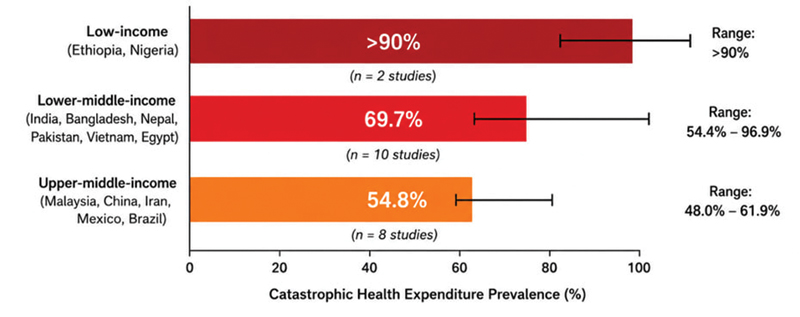
Fig 3: Catastrophic health expenditure prevalence across World Bank income groups in low- and middle-income countries oncology populations.
Socioeconomic Determinants of Financial Toxicity
Multivariate analyses across studies consistently identified low household income as the strongest predictor of financial toxicity[12] [15] (full estimates in [Table 3]). Lack of health insurance significantly increased financial toxicity risk. Prinja et al[15] demonstrated that enrollment in PM-JAY reduced CHE odds by 57.4% (AOR: 0.426), while Kimman et al[12] found uninsured patients had 1.27 times higher odds of financial catastrophe. Kibret et al[25] in Ethiopia identified additional predictors, including younger age, rural residence, and reliance on borrowed financing. Tran et al[31] in Vietnam identified female sex, rural residence, and unstable employment as predictors of greater financial toxicity. Complete effect estimates for all predictors identified across the 20 included studies are consolidated in [Table 3] to avoid repeating individual odds ratios in the narrative text.
Healthcare System and Insurance Disparities
Healthcare system characteristics profoundly influenced financial toxicity. Prinja et al[15] found hospitalization in private facilities increased impoverishment odds nearly threefold compared with public hospitals ([Table 3]). In Ethiopia, even patients treated in public hospitals[25] paid POC for essential medications, diagnostic imaging, and timely surgeries unavailable in the public supply chain. In Nigeria, all patients at a private comprehensive cancer center[26] were at risk of financial catastrophe. Geographic barriers were significant: Kibret et al[25] found rural residence associated with worse financial toxicity in Ethiopia, and Tran et al[31] confirmed rural residence and female sex as predictors of lower COST scores in Vietnam.
Psychosocial and Mental Health Consequences
Financial toxicity exerted profound effects on psychosocial well-being. Gany et al[24] found 47.5% of Egyptian breast cancer patients were food insecure. The relationship between financial toxicity and mental health was bidirectional, as depression and cognitive impairment were independently associated with worse financial well-being. Tran et al[31] found higher COST scores correlated with better health-related quality of life in Vietnamese cancer patients, while female sex, rural residence, and unstable employment were associated with worse outcomes. Kibret et al[25] found active treatment status significantly associated with higher financial toxicity in Ethiopia, suggesting that the treatment process itself intensifies economic hardship.
Effects on Treatment Adherence and Survivorship
Financial toxicity was strongly associated with poorer treatment adherence. Khan et al[27] found 17.3% of pediatric cancer patients in Pakistan abandoned treatment, with financial difficulties cited as the leading reason (61.1%). Kimman et al[12] demonstrated that low-income participants had 5.52 times higher odds of mortality compared with high-income participants, with only 23% of patients surviving 12 months without experiencing financial catastrophe. Uwechue et al,[26] in Nigeria, found all 92 colorectal cancer patients at risk of financial catastrophe, with average chemotherapy costs of $7,678 and total multitherapy costs of $34,983 figures that far exceed average annual household income. The clinical consequences of treatment abandonment extend beyond individual patients to encompass drug resistance, cancer recurrence, and increased mortality at the population level.
Assessment Instruments
The COST was the most frequently validated instrument in LMICs. Tran et al[31] validated COST in Vietnamese cancer patients, demonstrating good internal consistency (Cronbach's α = 0.913) and construct validity, with higher scores correlating with better health-related quality of life. Sánchez-Román et al[28] validated both COST and the CFPB Financial Well-Being Scale in older Mexican cancer patients, reporting mean COST of 16.4 (95% CI: 14.8–17.9). However, most financial toxicity instruments were originally developed in high-income countries, and some LMIC-specific dimensions of financial hardship may remain underrepresented despite subsequent validation studies. CHE was measured using diverse thresholds (>10, >20, >25, >30, and >40% of capacity to pay), complicating cross-study comparisons. A comparative overview of financial toxicity assessment instruments used across LMIC oncology studies is presented in [Table 4]. Therefore, prevalence estimates should be interpreted cautiously due to methodological heterogeneity across included studies.
|
Instrument |
Full name |
Primary purpose |
Scoring/Definition |
Interpretation |
Validation in LMICs |
Key strengths |
Major limitations |
|---|---|---|---|---|---|---|---|
|
COST |
Comprehensive score for financial toxicity |
Measures patient-reported financial distress related to cancer treatment |
Score range: 0–44 |
Lower scores indicate more severe financial toxicity |
Validated in Vietnam and Mexico |
Simple, patient-centered, strong psychometric reliability (Cronbach's α = 0.913) |
Primarily subjective; may not capture indirect household costs |
|
COST-FACIT |
COST–Functional Assessment of Chronic Illness Therapy |
Evaluates severity of financial distress and quality-of-life impact |
Graded from mild to severe FT |
Lower scores reflect worse financial burden |
Applied in Ethiopia |
Suitable for low-resource oncology settings; integrates psychosocial burden |
Limited validation data in LIC populations |
|
CFPB Financial Well-Being Scale |
Consumer Financial Protection Bureau Financial Well-Being Scale |
Assesses general financial well-being and economic stress |
Score range: 0–100 |
Lower scores indicate poorer financial well-being |
Used in Mexico |
Broader socioeconomic assessment beyond healthcare spending |
Not cancer-specific |
|
CHE (WHO-based) |
Catastrophic health expenditure |
Measures whether healthcare expenditure exceeds household affordability threshold |
Common thresholds: >40%. capacity-to-pay or >10%. total household expenditure |
Higher percentages indicate severe economic catastrophe |
Widely used in India, China, Iran, and Malaysia |
Standardized and internationally comparable |
Thresholds vary across studies, limiting direct comparability |
|
OOP expenditure tracking |
Out-of-pocket cost analysis/diaries |
Captures direct and indirect treatment-related expenditures |
Actual monetary expenditure reporting |
Higher expenditure reflects greater financial burden |
Used in ASEAN countries and Bangladesh |
Provides detailed real-world expenditure estimates |
Time-intensive and susceptible to recall bias |
|
Food security assessment |
Household food security survey tools |
Evaluates nutritional and food-access consequences of cancer-related costs |
Food secure vs. food insecure classification |
Food insecurity reflects severe socioeconomic impact |
Applied in Egypt |
Captures indirect consequences of financial toxicity |
Does not directly quantify medical financial burden |
|
Treatment abandonment metrics |
Oncology treatment discontinuation assessment |
Measures treatment interruption or discontinuation due to financial hardship |
Percentage abandoning treatment |
Higher abandonment indicates severe FT-related barriers |
Used in Pakistan pediatric oncology studies |
Clinically relevant endpoint strongly linked to survival |
Multifactorial; not exclusively financial in origin |
Regional Disparities
Marked regional variation in financial toxicity was observed across LMICs. South Asia exhibited the highest burden, followed by Southeast Asia, while East Asia showed substantial between-study heterogeneity. Evidence from Sub-Saharan Africa indicated a high burden despite limited data, the Middle East consistently reported elevated financial toxicity, and studies from Latin America were comparatively scarce. Regional estimates are summarized in [Table 5] and illustrated in [Figs. 3] and [4], which also present the corresponding regional patterns, key determinants, and healthcare system implications.
|
Region |
Magnitude of financial toxicity |
Dominant determinants |
Healthcare system implications |
|---|---|---|---|
|
South Asia |
Highest burden globally (see Fig. 4) |
Extreme poverty, absent insurance protection, private-sector dependence, advanced-stage presentation, treatment-related costs |
Existing public insurance programs remain insufficient to fully protect vulnerable households from catastrophic expenditure |
|
Southeast Asia |
Moderate-to-severe burden despite partial UHC expansion |
Distance from treatment centers, indirect non-medical expenses, chemotherapy and radiotherapy costs, income instability |
Expansion of insurance alone is insufficient without transport, accommodation, and supportive-care coverage |
|
East Asia |
Lower CHE prevalence than South Asia but persistent impoverishment among low-income populations |
Urban–rural inequality, regional economic disparities, unequal reimbursement systems |
Rapid healthcare expansion has improved access but has not eliminated socioeconomic disparities in oncology care |
|
Middle East and North Africa |
Persistent high economic burden with frequent medication-related hardship |
Drug shortages, inadequate subsidies, low household income, food insecurity |
Fragmented financing systems continue to expose patients to substantial out-of-pocket expenditure |
|
Sub-Saharan Africa |
Severe burden characterized by treatment delays and near-universal catastrophic expenditure risk |
Lack of insurance, rural residence, treatment delays, weak oncology infrastructure |
Limited national cancer financing systems substantially worsen treatment access and continuity |
|
Latin America |
Variable but consistently substantial financial burden across countries |
Fragmented insurance systems, unequal access between public and private sectors, socioeconomic inequality |
Universal health coverage models remain heterogeneous and inconsistently protective against oncology-related expenditure |
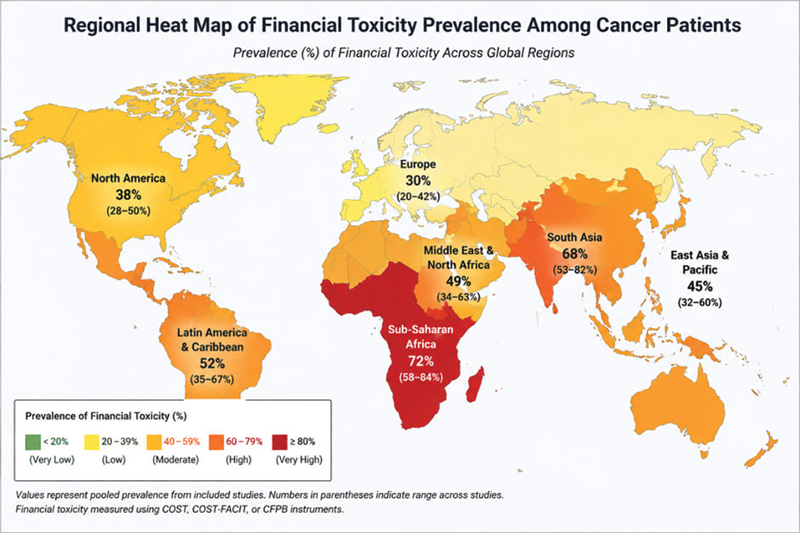
Fig 4: Regional heat map of financial toxicity prevalence among cancer patients across global regions.
Discussion
The findings of this review can be synthesized into four cross-cutting thematic insights: (1) the magnitude and regional distribution of the financial toxicity burden; (2) the socioeconomic, health-system, and geographic determinants driving this burden; (3) its psychosocial and clinical consequences, including treatment abandonment and mortality; and (4) its measurement and policy implications for strengthening financial risk protection in LMIC oncology care. These themes are addressed in turn below, with an emphasis on synthesis rather than restatement of results presented in “Results” section and [Tables 1] [2] [3] [4] [5] [6].
|
Framework domain |
Core components |
Mechanism linking to financial toxicity |
Clinical and public health consequences |
|---|---|---|---|
|
Structural socioeconomic determinants |
Poverty, low household income, unemployment, low educational attainment, gender inequity |
Limited financial resilience reduces the ability to absorb direct and indirect cancer-related costs |
Increased vulnerability to catastrophic expenditure and impoverishment |
|
Healthcare system and financing barriers |
Inadequate insurance coverage, fragmented financing systems, high out-of-pocket payments, weak public oncology infrastructure |
Gaps in financial risk protection shift the cost burden of cancer care onto households |
Delayed treatment, reduced healthcare access, and increased dependence on private-sector care |
|
Geographic and access barriers |
Rural residence, long travel distance, centralized oncology services, transportation burden |
Increased indirect non-medical expenditure and reduced continuity of care |
Treatment interruption, delayed diagnosis, and poorer treatment adherence |
|
Treatment-related financial burden |
Chemotherapy, radiotherapy, multimodal therapy, prolonged treatment duration |
Repeated and cumulative expenditures intensify financial depletion over time |
Higher risk of distress financing, debt accumulation, and asset liquidation |
|
Financial toxicity manifestations |
Catastrophic health expenditure, distress financing, borrowing, sale of assets, productivity loss |
Progressive household economic destabilization during cancer treatment |
Long-term financial insecurity and reduced socioeconomic mobility |
|
Psychosocial and household impact |
Anxiety, depression, caregiver burden, family strain |
Economic hardship adversely affects psychological well-being and family stability |
Social vulnerability, reduced health-related quality of life, and caregiver burden |
|
Clinical consequences |
Treatment abandonment, delayed diagnosis, suboptimal treatment adherence |
Financial barriers compromise timely and complete cancer treatment |
Increased recurrence risk, disease progression, and mortality |
|
Health equity implications |
Disproportionate burden among low-income, uninsured, female, and rural populations |
Existing social inequities are amplified through unequal financial protection |
Persistent disparities in cancer outcomes across LMIC populations |
|
Policy and system-level responses |
Expansion of UHC, financial counseling, decentralized oncology care, social protection policies |
Strengthening financial risk protection may reduce financial toxicity burden |
Improved treatment access, adherence, survivorship, and equity in cancer care |
Principal Findings and Contribution of This Review
This systematic review of 20 primary studies ([Table 1]) demonstrates that financial toxicity constitutes a pervasive public health crisis affecting the majority of cancer patients in LMICs, with CHE prevalence ranging from 48.0 to 96.9%. (section “Prevalence and Burden of Financial Toxicity”; [Fig. 3]). Three convergent patterns emerged across the evidence base. First, financial catastrophe and mortality appear causally intertwined: the ACTION study's finding that only 23%. of patients survived 12 months without financial catastrophe[12] challenges the assumption that cancer mortality in LMICs is driven primarily by biological or infrastructural factors, indicating that economic barriers constitute an independent determinant of survival. Second, South Asia consistently reported the highest burden across five independently conducted studies employing diverse methodologies,[13] [14] [15] [16] [17] suggesting a genuine regional crisis rather than a measurement artifact. Third, heterogeneity in CHE thresholds (ranging from >10 to >40%. of capacity to pay) likely contributes to, but does not fully explain, the wide prevalence range observed.
Beyond confirming the high burden previously reported by Donkor et al,[4] this review adds an explicit cross-regional comparative synthesis ([Table 5], [Fig. 4]), a critical appraisal of the psychometric adequacy of financial toxicity instruments in LMIC contexts (section “Measurement Challenges and Methodological Considerations”), and translation of the evidence into six actionable, region-specific policy domains (section “Policy Implications”).
Healthcare Inequities and Social Determinants
The findings illuminate how financial toxicity operates as a proximal mechanism through which distal social determinants of health translate into cancer disparities. Low education, unemployment, rural residence, female sex, and lack of insurance markers of structural disadvantage-converge to increase CHE risk and compromise treatment access ([Table 3]). Rather than restating individual odds ratios already reported in section “Socioeconomic Determinants of Financial Toxicity” and [Table 3], this synthesis focuses on the underlying mechanisms. The protective effect of higher education against CHE[15] suggests that health literacy and financial planning capacity may buffer against economic shocks; yet educational attainment itself is distributed inequitably across LMIC populations, perpetuating intergenerational cycles of disadvantage.
Gender disparities emerged as a consistent theme. Younger women with breast cancer faced heightened financial toxicity in Ethiopia,[25] attributable to employment disruption, caregiving responsibilities, and limited asset ownership, while female sex independently predicted greater financial toxicity in Vietnam[31] and unmet financial-assistance needs in Egypt.[24] These findings align with broader evidence that women in LMICs bear disproportionate economic burdens of illness due to occupational segregation, wage gaps, unequal asset ownership, and gendered caregiving expectations. The intersection of gender, poverty, and cancer creates a “triple jeopardy” that demands gender-responsive policy interventions, including targeted financial assistance, employment protection during treatment, and caregiver support programs.
Rural residence emerged as another critical determinant of inequity, driven by transportation costs, accommodation expenses, lost agricultural income, and limited access to financial assistance programs.[25] [31] Private-sector reliance, which rural patients often resort to due to public-sector capacity constraints, nearly tripled impoverishment odds.[15] These findings underscore that geographic inequities in cancer care encompass a complex web of direct costs, indirect costs, and system-level failures that disproportionately burden rural populations and perpetuate urban–rural disparities in cancer outcomes.
Universal Health Coverage Gaps
The review exposes critical and persistent gaps in UHC implementation for cancer care in LMICs. Despite global commitments to SDG 3.8, the included studies reveal that UHC benefit packages often fail to cover essential cancer services, or cover them inadequately.[12] [15] [18] In India, PM-JAY enrollment reduced CHE odds by 57.4%, while state-sponsored schemes reduced CHE odds by 69.6%[15]; however, 80.4%. of patients still experienced CHE, indicating that insurance alone is insufficient to eliminate financial toxicity.
The fragmentation between public and private healthcare sectors further exacerbates financial toxicity. In Ethiopia, Kibret et al[25] found that even patients treated in public hospitals paid POC for essential medications, diagnostic imaging, and timely surgeries unavailable within the public supply chain. In Malaysia, Wan Puteh et al[18] reported that absence of a Guarantee Letter increased CHE odds by 3.38 times, suggesting that administrative barriers may be as harmful as lack of insurance coverage itself.
The ACTION study[12] provides a natural experiment illustrating heterogeneity in UHC implementation across Southeast Asia. Despite varying levels of UHC across eight countries, financial catastrophe rates remained alarmingly high at 48%. overall. This paradox suggests that many UHC benefit packages exclude high-cost oncology services, impose substantial copayments or deductibles, or fail to address indirect costs such as transportation, accommodation, and caregiver income loss. A conceptual framework illustrating the multidimensional pathways linking socioeconomic vulnerability, financial toxicity, and healthcare inequities in LMIC oncology populations is presented in [Fig. 5].
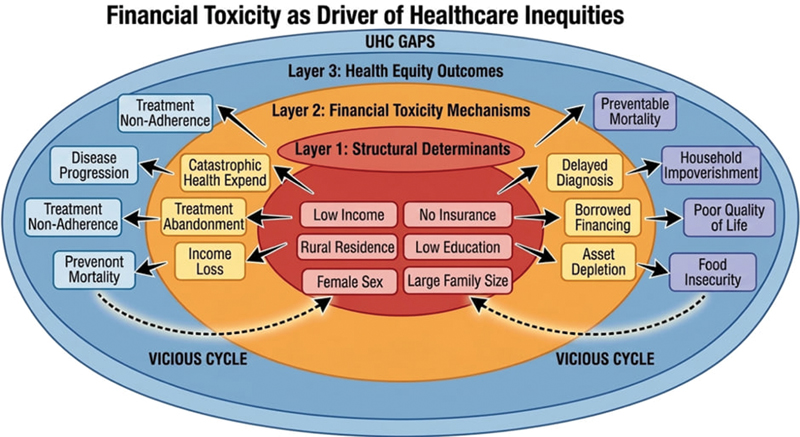
Fig 5: Financial toxicity as a driver of healthcare inequities in low- and middle-income countries oncology care.
Catastrophic Health Expenditure and Household Impoverishment
Cancer-related CHE in LMICs represents a major and underrecognized driver of household impoverishment.[12] [13] [14] [20] ([Table 3]). The impoverishment effects generate intergenerational poverty traps: Gany et al[24] found that 47.5%. of breast cancer patients in Egypt were food insecure, while 80%. of those with greater financial needs were unable to afford medications, and qualitative findings from Gany et al[24] and Kibret et al[25] describe sacrifices involving food security, children's education, and family assets. These findings demonstrate that financial toxicity constitutes a broader developmental crisis compromising education, nutrition, social stability, and economic productivity, and not merely a healthcare-financing problem. The inverse association between UHC strength and CHE prevalence across LMICs is illustrated in [Fig. 6].
Treatment Adherence and Clinical Consequences
The review documents alarming rates of treatment abandonment. Khan et al,[27] in a prospective cohort of 104 pediatric cancer patients in Pakistan, found treatment abandonment in 17.3% of cases, with financial difficulties identified as the leading cause. In Ethiopia, Kibret et al[25] found that treatment delay exceeding 90 days was significantly associated with worse financial toxicity, creating a vicious cycle in which financial barriers contribute to treatment delays, while delays further intensify economic burden.
Uwechue et al,[26] in a retrospective analysis of 92 colorectal cancer patients at Nigeria's first private comprehensive cancer center, found all patients at risk of financial catastrophe, with average chemotherapy costs of $7,678 and total multitherapy costs of $34,983. The clinical consequences of treatment abandonment extend beyond individual patients to encompass cancer recurrence, treatment resistance, and increased population-level mortality.[12] [25] The ACTION study's finding that only 23% of patients survived 12 months without experiencing financial catastrophe underscores that financial catastrophe and mortality are intertwined manifestations of systemic failure.[12]
Measurement Challenges and Methodological Considerations
The review reveals substantial heterogeneity in financial toxicity measurement across included studies. CHE was assessed using diverse thresholds, ranging from >10 to >40% of household capacity to pay ([Table 4]). This methodological heterogeneity likely contributes to the broad prevalence range observed across studies (48.0–96.9%) and highlights the need for standardized financial toxicity assessment frameworks.
Tran et al[31] demonstrated excellent internal consistency of COST in Vietnamese cancer patients (Cronbach's α = 0.913), while Sánchez-Román et al[28] validated both the COST and CFPB Financial Well-Being Scale among older Mexican cancer patients. Kibret et al[25] highlighted that COST may inadequately capture informal borrowing, asset liquidation, food insecurity, and reliance on community support systems-dimensions central to financial toxicity in Ethiopia but systematically overlooked by instruments developed in high-income settings. These measurement limitations have important implications: if existing instruments systematically underestimate LMIC-specific dimensions of economic hardship, current prevalence estimates may be conservative, and the WHO definition of CHE may require contextual adaptation for LMIC settings.[15] [22]
Policy Implications
The findings support six evidence-based, actionable policy recommendations for LMIC healthcare systems, summarized below with a focus on concrete implementation steps rather than restated evidence.
First, expand financial risk protection by embedding cancer-specific provisions within UHC benefit packages, following the PM-JAY model in India[15] and the Guarantee Letter system in Malaysia[18]; evidence that PM-JAY reduced CHE by 57.4% indicates that well-designed public insurance mechanisms can substantially mitigate financial toxicity.
Second, strengthen decentralized cancer-care infrastructure by ensuring reliable supply chains for essential medications, diagnostic services, and radiotherapy equipment,[25] [26] and by investing in telemedicine and regional oncology centers to offset the consistent finding that rural residence and geographic distance independently predict financial toxicity.[18] [25] [31]
Third, implement patient navigation and financial counseling programs to identify high-risk patients early, given that treatment delay beyond 90 days significantly worsens financial toxicity,[25], so that early financial intervention can interrupt the reinforcing cycle of delay and escalating economic burden.
Fourth, prioritize development and validation of LMIC-appropriate financial toxicity measurement tools that incorporate informal borrowing, asset liquidation, food insecurity, and community support networks.[25] [28]
Fifth, fully integrate palliative care into UHC packages, using community-based models to reduce hospitalization-related expenditure, particularly given that active treatment status is associated with more severe financial toxicity.[25]
Sixth, target vulnerable populations–rural residents, uninsured individuals, low-income households, and women-through gender-responsive and geographically equitable social protection strategies.[24] [25] [31]
Integration with Global Frameworks
The review findings align with several major global health frameworks. The WHO Global Strategy for Cancer Control emphasizes equitable access to cancer services as a core component of UHC.[15] Similarly, the United Nations SDGs, particularly SDG 3.4 and SDG 3.8, are unlikely to be achieved without addressing financial toxicity as a major structural barrier to cancer care access.[12] [20] The Union for International Cancer Control World Cancer Declaration 2025–2035 further recognizes health financing as a central priority.
The ATOM Coalition initiative on innovative health financing strategies, including pooled procurement, price negotiation, and diagnostics integration, offers promising implementation models for LMIC settings.[26] The evidence that 48%. of cancer patients in Southeast Asia experienced financial catastrophe within 12 months of diagnosis,[12] that 96.9%. of Nepalese cancer patients experienced CHE,[13] and that only 23%. of ASEAN cancer patients survived without financial catastrophe[12] constitutes an urgent call for systemic policy reform. An integrated conceptual framework summarizing multidimensional pathways linking socioeconomic vulnerability, healthcare-system gaps, and financial toxicity is presented in [Table 6].
Limitations and Future Directions
Several limitations should be acknowledged. First, substantial heterogeneity existed across included studies regarding financial toxicity definitions, CHE thresholds, and measurement instruments, limiting direct cross-study comparability. Second, most studies employed cross-sectional designs, restricting causal inference. Third, only English-language publications were included, introducing potential language bias. Fourth, evidence from low-income countries and Latin America remained limited, reducing regional representativeness. Fifth, this review was not prospectively registered in PROSPERO, which is a recognized limitation despite the use of a documented a priori protocol. Finally, several financial toxicity instruments were originally developed in high-income settings and may incompletely capture informal coping strategies common in LMICs, including asset liquidation, community borrowing, and food insecurity.
Future research priorities arising from this synthesis include prospectively registered systematic reviews with meta-analytic pooling where methodological homogeneity permits; development and validation of LMIC-specific financial toxicity instruments that capture informal coping strategies; longitudinal studies examining the causal pathway between financial toxicity, treatment adherence, and survival; and expanded primary research from underrepresented regions, particularly low-income countries and Latin America.
Conclusion
Financial toxicity represents a major barrier to equitable cancer care in LMICs, with CHE affecting a substantial proportion of oncology patients and contributing to treatment abandonment, delayed care, impoverishment, and reduced survival. Across included studies, the burden of financial toxicity was consistently highest among low-income, uninsured, and rural populations. Although public insurance programs demonstrated protective effects, significant POC expenditure persisted across most healthcare systems. These findings highlight the urgent need for stronger financial risk protection, expanded UHC, and integration of financial toxicity screening and support into routine oncology care in resource-limited settings.
Conflict of Interest
None declared.
Patient Consent
Patient consent was not required for this article, as it is a systematic review and did not involve the recruitment of patients or the collection, analysis, or reporting of individual patient–level data.
Ethical Approval
This systematic review was conducted using previously published studies and publicly available data. Ethical approval and informed consent were therefore not required. No animal or human participants were directly involved in this study.
* These authors contributed equally to this article.
Supplementary Material
>Supplementary Material (PDF)References
- World Health Organization. Cancer. Geneva: WHO; 2024. . Accessed August 17, 2026 at: https://www.who.int/news-room/fact-sheets/detail/cancer
- Zafar SY, Peppercorn JM, Schrag D. et al. The financial toxicity of cancer treatment: a pilot study assessing out-of-pocket expenses and the insured cancer patient's experience. Oncologist 2013; 18 (04) 381-390
- Shankaran V, Jolly S, Blough D, Ramsey SD. Risk factors for financial hardship in patients receiving adjuvant chemotherapy for colon cancer: a population-based exploratory analysis. J Clin Oncol 2012; 30 (14) 1608-1614
- Donkor A, Atuwo-Ampoh VD, Yakanu F. et al. Financial toxicity of cancer care in low- and middle-income countries: a systematic review and meta-analysis. Support Care Cancer 2022; 30 (09) 7159-7190
- Xu K, Evans DB, Carrin G, Aguilar-Rivera AM, Musgrove P, Evans T. Protecting households from catastrophic health spending. Health Aff (Millwood) 2007; 26 (04) 972-983
- Bray F, Ferlay J, Soerjomataram I, Siegel RL, Torre LA, Jemal A. Global cancer statistics 2018: GLOBOCAN estimates of incidence and mortality worldwide for 36 cancers in 185 countries. CA Cancer J Clin 2018; 68 (06) 394-424
- Farmer P, Frenk J, Knaul FM. et al. Expansion of cancer care and control in countries of low and middle income: a call to action. Lancet 2010; 376 (9747): 1186-1193
- United Nations. Transforming our world: the 2030 Agenda for Sustainable Development. New York: United Nations; 2015. . Accessed August 17, 2026 at: https://sdgs.un.org/2030agenda
- Azzani M, Roslani AC, Su TT. The perceived cancer-related financial hardship among patients and their families: a systematic review. Support Care Cancer 2015; 23 (03) 889-898
- Page MJ, McKenzie JE, Bossuyt PM. et al. The PRISMA 2020 statement: an updated guideline for reporting systematic reviews. BMJ 2021; 372 (71) n71
- Moola S, Tufanaru C, Aromataris E. et al. Chapter 7: Systematic reviews of etiology and risk. In: Aromataris E, Munn Z. eds. JBI Manual for Evidence Synthesis. Adelaide (AU): Joanna Briggs Institute; 2020. . Accessed August 17, 2026 at: https://synthesismanual.jbi.global
- Kimman M, Jan S, Yip CH. et al; ACTION Study Group. Catastrophic health expenditure and 12-month mortality associated with cancer in Southeast Asia: results from a longitudinal study in eight countries. BMC Med 2015; 13: 190
- Khanal P, Johansson KA, Pandey AR. et al. Financial burden of cancer in Nepal: Factors associated with annual cost and catastrophic health expenditure. PLoS One 2025; 20 (09) e0331321
- Sarker AR, Islam R, Tran-Duy A. Out-of-pocket cost and financial catastrophe of patients with cancer: the alarming cost-of-illness in Bangladesh. Int J Equity Health 2025; 24 (01) 186
- Prinja S, Dixit J, Gupta N. et al. Financial toxicity of cancer treatment in India: towards closing the cancer care gap. Front Public Health 2023; 11: 1065737
- Jain M, Mukherjee K. Economic burden of breast cancer to the households in Punjab, India. Int J Med Public Health 2016; 6 (01) 13-18
- Mohanty SK, Wadasadawala T, Sen S, Maiti S. eJ Catastrophic health expenditure and distress financing of breast cancer treatment in India: evidence from a longitudinal cohort study. Int J Equity Health 2024; 23 (01) 145
- Wan Puteh SE, Abdullah YR, Aizuddin AN. Catastrophic health expenditure (CHE) among cancer population in a middle income country with universal healthcare financing. Asian Pac J Cancer Prev 2023; 24 (06) 1897-1904
- Azzani M, Roslani AC, Su TT. Financial burden of colorectal cancer treatment among patients and their families in a middle-income country. Support Care Cancer 2016; 24 (10) 4423-4432
- Fu W, Shi J, Zhang X. et al. Effects of cancer treatment on household impoverishment: a multicentre cross-sectional study in China. BMJ Open 2021; 11 (06) e044322
- Liu C, Shi J, Wang H. et al. Population-level economic burden of lung cancer in China: provisional prevalence-based estimations, 2017-2030. Chin J Cancer Res 2021; 33 (01) 79-92
- Piroozi B, Moradi G, Nouri B, Mohamadi Bolbanabad A, Safari H. Catastrophic health expenditure after the implementation of health sector evolution plan in Iran. Int J Health Policy Manag 2016; 5 (07) 417-423
- Moradi G, Safari H, Piroozi B. et al. Catastrophic health expenditure among households with members with special diseases: a case study in Kurdistan. Med J Islam Repub Iran 2017; 31: 43
- Gany F, Ayash C, Raad N. et al. Financial and food security challenges of Egyptian women undergoing breast cancer treatment. Support Care Cancer 2020; 28 (12) 5787-5794
- Kibret AA, Jiang H, Woldetsadik ES, Tafese MD, Deressa BT, Liu C. Association between time to treatment and financial toxicity among women with breast cancer in Ethiopia: a multicentre study in a low-resource setting. Support Care Cancer 2026; 34 (04) 314
- Uwechue FI, Caputo M, Zaza NN. et al. Catastrophic health expenditures for colorectal cancer care: a retrospective analysis of the first private comprehensive cancer center in Lagos, Nigeria. Am J Surg 2025; 242: 116140
- Khan MW, Abbas Q, Raza MH. et al. Identifying the factors contributing to treatment abandonment in childhood cancers at a tertiary care hospital in Pakistan. OncoDaily Med J 2025;
- Sánchez-Román S, Chavarri-Guerra Y, Vargas-Huicochea I. et al. Financial toxicity among older Mexican adults with cancer and their families: a mixed-methods study. JCO Glob Oncol 2022; 8: e2100324
- Souza RJ, Mattedi AP, Rezende ML, Corrêa Mde P, Duarte EM. An estimate of the cost of treating melanoma disease in the state of Sao Paulo - Brazil. An Bras Dermatol 2009; 84 (03) 237-243
- Wuraola FO, Blackman C, Olasehinde O. et al. The out-of-pocket cost of breast cancer care in Nigeria: a prospective analysis. J Cancer Policy 2024; 42: 100518
- Tran BT, Le DD, Nguyen TG. et al. Validation of the COmprehensive Score for Financial Toxicity (COST) in Vietnamese patients with cancer. PLoS One 2024; 19 (06) e0306339
Address for correspondence
Publication History
Article published online:
10 September 2026
© 2026. The Author(s). This is an open access article published by Thieme under the terms of the Creative Commons Attribution License, permitting unrestricted use, distribution, and reproduction so long as the original work is properly cited. (https://creativecommons.org/licenses/by/4.0/)
Thieme Medical and Scientific Publishers Private Limited
A-13A, Graphix Tower 1, 6th floor, Sector 62, Noida 201309, Uttar Pradesh, India
Fig 1:PRISMA 2020 flow diagram of study selection process for included studies on financial toxicity in LMIC oncology populations.
Fig 2: (A, B) Summary distribution of methodological quality and overall risk of bias across included studies.
Fig 3: Catastrophic health expenditure prevalence across World Bank income groups in low- and middle-income countries oncology populations.
Fig 4: Regional heat map of financial toxicity prevalence among cancer patients across global regions.
Fig 5: Financial toxicity as a driver of healthcare inequities in low- and middle-income countries oncology care.
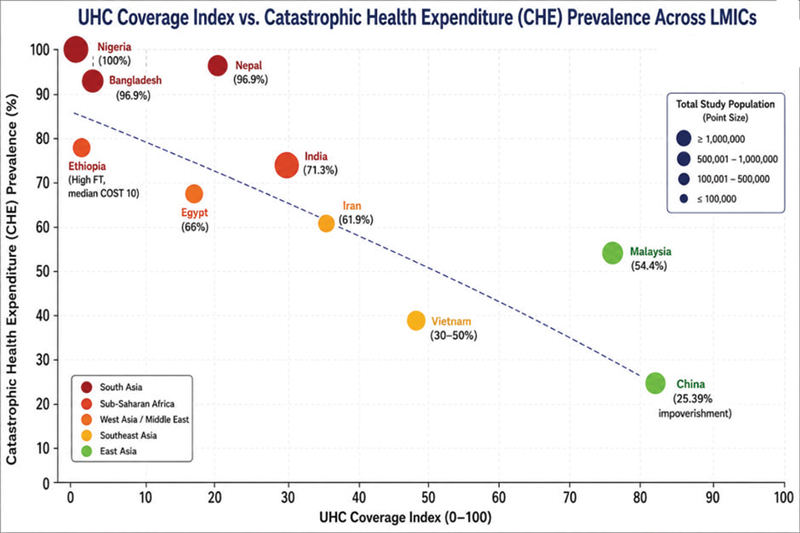
Fig 6: Association between universal health coverage index and catastrophic health expenditure prevalence across low- and middle-income countries.
References
- World Health Organization. Cancer. Geneva: WHO; 2024. . Accessed August 17, 2026 at: https://www.who.int/news-room/fact-sheets/detail/cancer
- Zafar SY, Peppercorn JM, Schrag D. et al. The financial toxicity of cancer treatment: a pilot study assessing out-of-pocket expenses and the insured cancer patient's experience. Oncologist 2013; 18 (04) 381-390
- Shankaran V, Jolly S, Blough D, Ramsey SD. Risk factors for financial hardship in patients receiving adjuvant chemotherapy for colon cancer: a population-based exploratory analysis. J Clin Oncol 2012; 30 (14) 1608-1614
- Donkor A, Atuwo-Ampoh VD, Yakanu F. et al. Financial toxicity of cancer care in low- and middle-income countries: a systematic review and meta-analysis. Support Care Cancer 2022; 30 (09) 7159-7190
- Xu K, Evans DB, Carrin G, Aguilar-Rivera AM, Musgrove P, Evans T. Protecting households from catastrophic health spending. Health Aff (Millwood) 2007; 26 (04) 972-983
- Bray F, Ferlay J, Soerjomataram I, Siegel RL, Torre LA, Jemal A. Global cancer statistics 2018: GLOBOCAN estimates of incidence and mortality worldwide for 36 cancers in 185 countries. CA Cancer J Clin 2018; 68 (06) 394-424
- Farmer P, Frenk J, Knaul FM. et al. Expansion of cancer care and control in countries of low and middle income: a call to action. Lancet 2010; 376 (9747): 1186-1193
- United Nations. Transforming our world: the 2030 Agenda for Sustainable Development. New York: United Nations; 2015. . Accessed August 17, 2026 at: https://sdgs.un.org/2030agenda
- Azzani M, Roslani AC, Su TT. The perceived cancer-related financial hardship among patients and their families: a systematic review. Support Care Cancer 2015; 23 (03) 889-898
- Page MJ, McKenzie JE, Bossuyt PM. et al. The PRISMA 2020 statement: an updated guideline for reporting systematic reviews. BMJ 2021; 372 (71) n71
- Moola S, Tufanaru C, Aromataris E. et al. Chapter 7: Systematic reviews of etiology and risk. In: Aromataris E, Munn Z. eds. JBI Manual for Evidence Synthesis. Adelaide (AU): Joanna Briggs Institute; 2020. . Accessed August 17, 2026 at: https://synthesismanual.jbi.global
- Kimman M, Jan S, Yip CH. et al; ACTION Study Group. Catastrophic health expenditure and 12-month mortality associated with cancer in Southeast Asia: results from a longitudinal study in eight countries. BMC Med 2015; 13: 190
- Khanal P, Johansson KA, Pandey AR. et al. Financial burden of cancer in Nepal: Factors associated with annual cost and catastrophic health expenditure. PLoS One 2025; 20 (09) e0331321
- Sarker AR, Islam R, Tran-Duy A. Out-of-pocket cost and financial catastrophe of patients with cancer: the alarming cost-of-illness in Bangladesh. Int J Equity Health 2025; 24 (01) 186
- Prinja S, Dixit J, Gupta N. et al. Financial toxicity of cancer treatment in India: towards closing the cancer care gap. Front Public Health 2023; 11: 1065737
- Jain M, Mukherjee K. Economic burden of breast cancer to the households in Punjab, India. Int J Med Public Health 2016; 6 (01) 13-18
- Mohanty SK, Wadasadawala T, Sen S, Maiti S. eJ Catastrophic health expenditure and distress financing of breast cancer treatment in India: evidence from a longitudinal cohort study. Int J Equity Health 2024; 23 (01) 145
- Wan Puteh SE, Abdullah YR, Aizuddin AN. Catastrophic health expenditure (CHE) among cancer population in a middle income country with universal healthcare financing. Asian Pac J Cancer Prev 2023; 24 (06) 1897-1904
- Azzani M, Roslani AC, Su TT. Financial burden of colorectal cancer treatment among patients and their families in a middle-income country. Support Care Cancer 2016; 24 (10) 4423-4432
- Fu W, Shi J, Zhang X. et al. Effects of cancer treatment on household impoverishment: a multicentre cross-sectional study in China. BMJ Open 2021; 11 (06) e044322
- Liu C, Shi J, Wang H. et al. Population-level economic burden of lung cancer in China: provisional prevalence-based estimations, 2017-2030. Chin J Cancer Res 2021; 33 (01) 79-92
- Piroozi B, Moradi G, Nouri B, Mohamadi Bolbanabad A, Safari H. Catastrophic health expenditure after the implementation of health sector evolution plan in Iran. Int J Health Policy Manag 2016; 5 (07) 417-423
- Moradi G, Safari H, Piroozi B. et al. Catastrophic health expenditure among households with members with special diseases: a case study in Kurdistan. Med J Islam Repub Iran 2017; 31: 43
- Gany F, Ayash C, Raad N. et al. Financial and food security challenges of Egyptian women undergoing breast cancer treatment. Support Care Cancer 2020; 28 (12) 5787-5794
- Kibret AA, Jiang H, Woldetsadik ES, Tafese MD, Deressa BT, Liu C. Association between time to treatment and financial toxicity among women with breast cancer in Ethiopia: a multicentre study in a low-resource setting. Support Care Cancer 2026; 34 (04) 314
- Uwechue FI, Caputo M, Zaza NN. et al. Catastrophic health expenditures for colorectal cancer care: a retrospective analysis of the first private comprehensive cancer center in Lagos, Nigeria. Am J Surg 2025; 242: 116140
- Khan MW, Abbas Q, Raza MH. et al. Identifying the factors contributing to treatment abandonment in childhood cancers at a tertiary care hospital in Pakistan. OncoDaily Med J 2025;
- Sánchez-Román S, Chavarri-Guerra Y, Vargas-Huicochea I. et al. Financial toxicity among older Mexican adults with cancer and their families: a mixed-methods study. JCO Glob Oncol 2022; 8: e2100324
- Souza RJ, Mattedi AP, Rezende ML, Corrêa Mde P, Duarte EM. An estimate of the cost of treating melanoma disease in the state of Sao Paulo - Brazil. An Bras Dermatol 2009; 84 (03) 237-243
- Wuraola FO, Blackman C, Olasehinde O. et al. The out-of-pocket cost of breast cancer care in Nigeria: a prospective analysis. J Cancer Policy 2024; 42: 100518
- Tran BT, Le DD, Nguyen TG. et al. Validation of the COmprehensive Score for Financial Toxicity (COST) in Vietnamese patients with cancer. PLoS One 2024; 19 (06) e0306339